IOKEA VILLAGE PREPARES TO HOST GULF PROVINCIAL GOVERNMENT MEETINGS
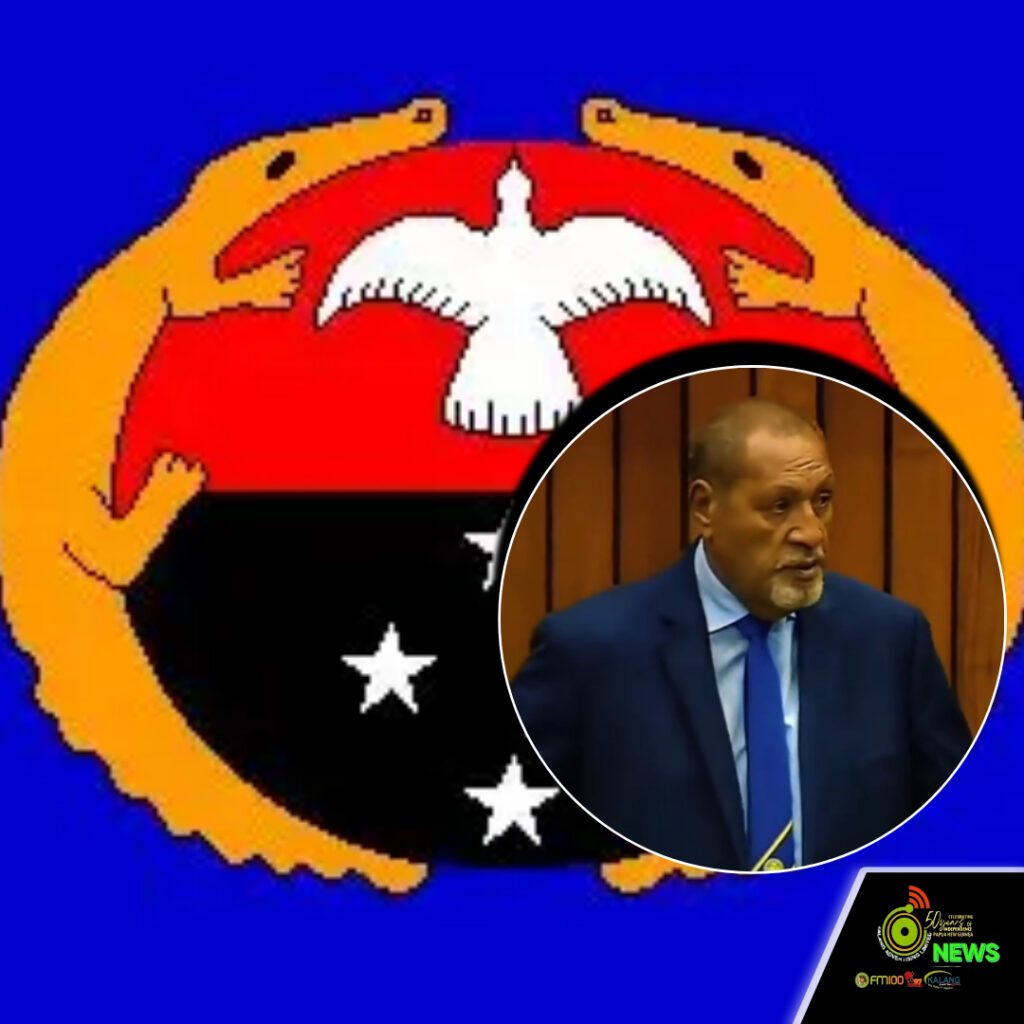
CAPTION: Gulf Governor Chris Haiveta
THE Iokea village, home to famous musicians like Robert Oeka of the Hollie Maea Band from the modern era, and the Tiare Mikis of the 1970s, is preparing to host a number of Gulf Provincial Government and LLG meetings this week.
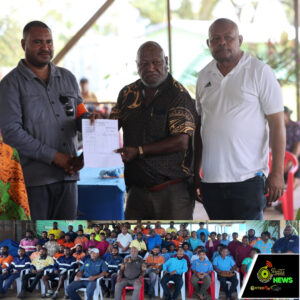
Governor Sir Christopher Haiveta MP, his PEC members and other agencies that drive the province’s initiatives including the Oil & Gas and other Economic initiatives, projects and programs, will be in Iokea for these meetings.
According to a joint statement from the Moripi Tribe and approval from the governor, the meetings will include the Gulf Provincial Executive Council meeting and various other committee meetings.
How all that comes together is critical to the province as the year 2026 is the first full year that the Local Level Governments would be in operation since elected into office in 2025.
However, what should be interesting during the few days in Iokea in early April, is the Moripi Council of Chiefs meeting.
Iokea village has already this year hosted the Kerema District Development Authority meeting, one of the few times a meeting of such stature was held outside of Kerema town, the capital of Gulf Province.
Iokea is also where a Pre-Forum Papua LNG Project Benefits Sharing Arrangements Memorandum of Understanding (MOU) was signed between the Gulf Provincial Government, Moripi LLG and the Moripi clans in 2023.
Iokea, is part of the Moripi Tribe, which also includes Miaru, Sepoe and the five Lese villages of Avihara, Marekea, Ilava, Kavora and Oalai.
The offshore Papua LNG gas pipeline that will be the mode used to move the natural gas from the upstream project site in Gulf Province to the coast is expected to run through the customary fishing grounds of the Moripi Tribe.
The PNG LNG pipeline runs through the same route all the way to the Caution Bay in Central Province where the natural gas is processed into finished products, LNG and condensate, for export.
The Moripi Tribe has been informed that the Papua LNG gas pipeline buffer zone may affect their customary fishing activities.
This is because it is possible the 5km buffer zone from the gas pipeline laydown area to the Moripi coastline may encroach the Moripi Tribe’s customary fishing grounds.
The Gulf Provincial Government would be a beneficiary should this materialize as Moripi LLG electorate is part of East Kerema in Gulf Province.
Concerns have been prevalent as the Moripi people believe they have been and continue to be impacted by the PNG LNG pipeline built in 2012.
The impact of the pipeline has affected the usual abundant catches of fish and rock lobsters, reducing the quantity of the fish stocks for the local people since then.
Fishermen from the area have shared documented stories that indicate that rock lobsters during its season have virtually disappeared over the past decade.
Interestingly only this year, the lobster catches have improved, sending rather mixed reactions to those who have been following the trend.
Detailed studies are required to explain this scenario, and the likely impact the Papua LNG Pipeline may have on these food resources.
Moripi accommodates a significant stretch of the total 320 kilometer portion of the pipeline that runs through Gulf Province to Caution Bay in Central Province.
The Iokea meeting will also provide the GPG Oil & Gas Advisory Task Force Team an opportunity to provide an update to the Council of Chiefs on what the status of the Papua LNG project is, following the 2023 MOU signed in Iokea.
The Council of Chiefs would be very interested to know why the Moripi Tribe is not included as genuine beneficiaries as landowners whose waters currently accommodate the PNG LNG project pipeline and may soon accommodate the Papua LNG pipeline.
The Moripi Tribe comprises over close to 20,000 people of the Gulf population who will be keen to understand why they continue to be left out by its National Government which has promised so much to improving the lives of their people through the benefits that come with consequent to them allowing their land and waters to be used for these projects.