INMATES FINANCIAL LITERACY CERTIFICATES COULD OPEN DOORS FOR FINANCE ASSISTANCE
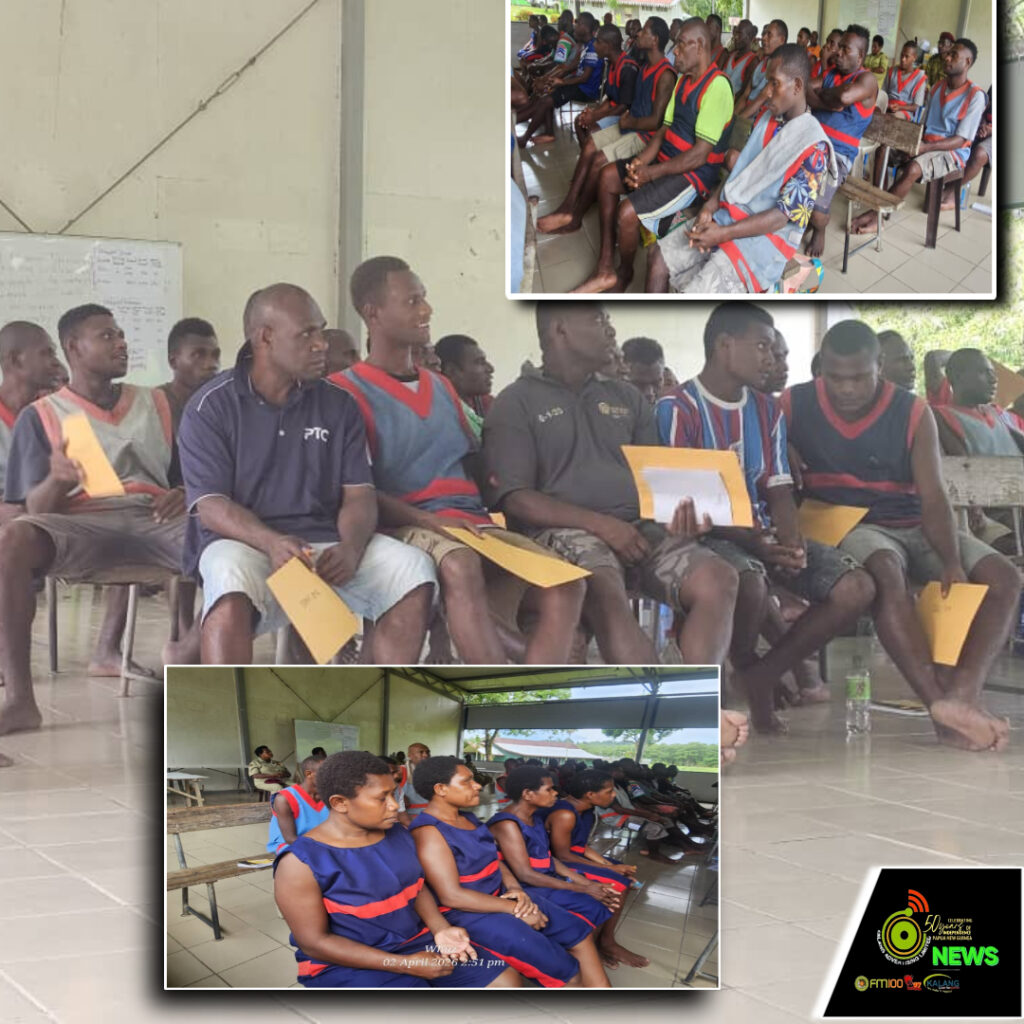
CAPTION: Inmates from Kerevat Correctional Facility underwent Financial Literacy training.
BY WASITA ROYAL
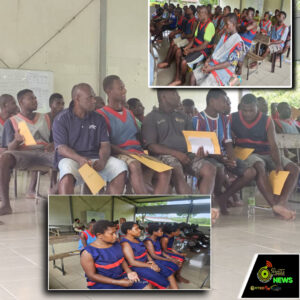
SIXTY inmates and warders at Kerevat Correctional Services have completed a four-day financial literacy training that organisers say could open doors to loans, small business, and sustainable livelihoods after prison.
The training, held from March 30th to April 2nd and run by the Rabaul District Administration’s Social Development sector, covered budgeting, savings, and responsible financial decision-making.
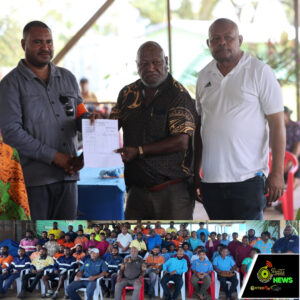
Giving the most striking message on the closing ceremony was Deputy District Administrator for Operations, Mr Petrus Maninga saying “The certificates you receive today carry value and can be used to approach financial institutions for opportunities.”
This statement signals a rare pathway for former inmates in Papua New Guinea, where access to formal credit is already challenging for ordinary citizens. If financial institutions recognise the training, graduates could potentially apply for small loans to start market stalls, buy livestock, or fund other income-generating activities upon release.
Provincial Industrial Officer for Commerce, Mr Allan Jubilee, reinforced the livelihood focus. He encouraged participants to apply the knowledge gained to build sustainable livelihoods not just to survive, but to thrive.
Two inmates said the training had already changed how they see their economic futures. Amanda Ray from ward 11 in Rabaul Urban LLG and Francis Detalit from Napapar both described the program as an eye-opener and life-changing, giving them not only money management skills but also hope and confidence to rebuild their lives.
Mr Maninga acknowledged that money management is foundational. “Without money management skills, everything else fails,” he said. He urged graduates to change their mindset and make a difference in their communities upon release.
Commanding Officer Supt John Poris commended the Rabaul District for pioneering financial literacy inside a correctional institution, saying such initiatives are important to transform lives and reduce reoffending.
A second batch of inmates will undergo similar training in the near future, extending the economic lifeline to more prisoners preparing for life beyond the fence.