EU STREIT REACHES MORE THAN 500,000 PEOPLE AS IT NEARS END
BY RICKY ISRAEL
The European Union funded EU STREIT PNG Programme has reached more than 513,500 people in East and West Sepik through six years of agriculture and rural development support, as the programme prepares to close at the end of December 2026.
The program, which began in January 2020, has supported farmers and small businesses in the cocoa, vanilla and fisheries industries through training, infrastructure development, financial services and improved access to markets.
Speaking at a closure workshop in Port Moresby today, Acting Programme Coordinator Dr Rabi Rasaily said more than 34,000 farmers had received training, while about 700 small and medium agribusinesses had been established, strengthened or developed.
The programme has also helped open more than 119,500 bank accounts, with women making up 53 % of account holders.
Other achievements include the rehabilitation of more than 500 kilometres of rural roads, five rural airstrips and the establishment of 21 digital resource centres. Solar power systems were also provided to 60 schools and three health facilities.
Farmers received more than 3.8 million cocoa seedlings and over 771,000 vanilla vines, while fishers benefited from 330 boats and canoes, 30 solar freezers and more than 135,000 fish fingerlings.
The programme has also helped Sepik cocoa reach international markets, including Australia, New Zealand, Singapore, the United Kingdom, Italy, China and the Philippines. Vanilla farmers have gained access to premium markets in the Middle East, Europe and the United States.
However, Dr Rasaily says continued support from government agencies, provincial administrations and private sector partners will be important to sustain these achievements after the programme ends.
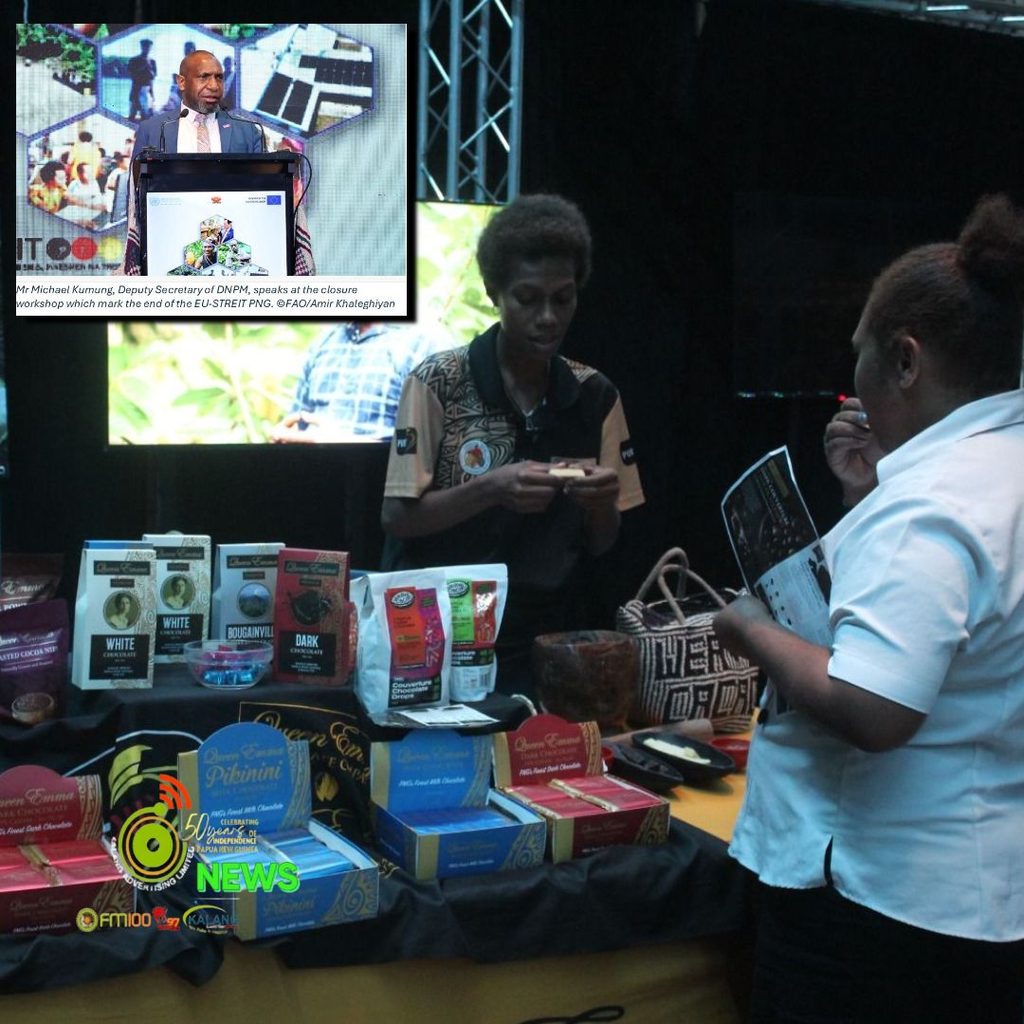
The programme’s approach has also received support from the Government, with Deputy Secretary of the Department of National Planning and Monitoring Michael Kumung saying its lessons could be replicated in other provinces and agricultural industries.
He says the model could be extended to coffee, coconut and other commodities to support rural development across Papua New Guinea.
East Sepik Governor Allan Bird says the programme has made a significant difference to rural communities, particularly by helping farmers earn income and support their families during the current El Niño period.
He says the agricultural support and infrastructure have reached remote communities in his province, giving rural people more opportunities to earn an income.