WORLD BANK URGES PNG TO TURN RESOURCE WEALTH INTO JOBS
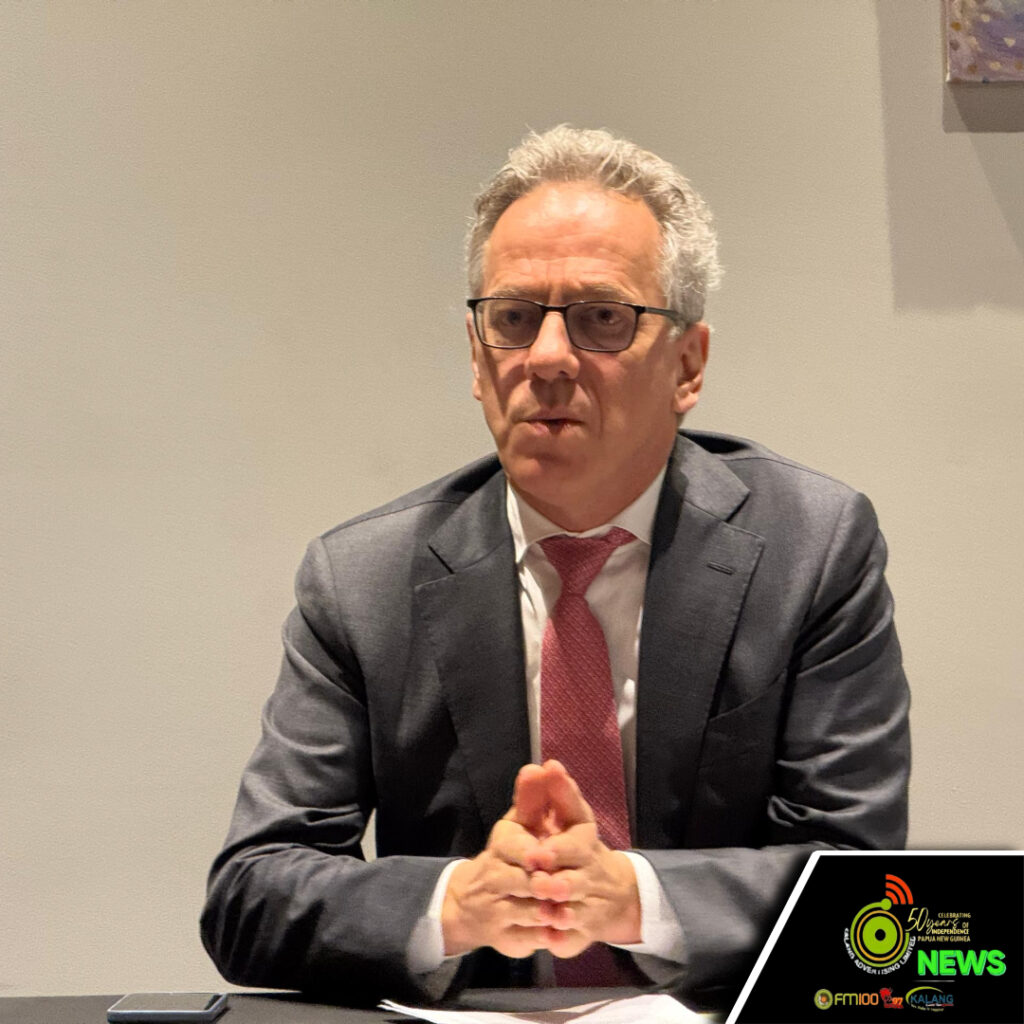
CAPTION: World Bank Division Director for PNG, Solomon Islands and Vanuatu Han Fraeters
BY RAYLEEN WANJIMAN
PAPUA New Guinea must urgently convert its vast natural resource wealth into jobs and better services for its people according to 2026 Public Finance Review released today by the World Bank Group in Port Moresby.
The report presented at Apex Haus yesterday warns that despite strong growth in the resource sector over the past decade, the country has seen only limited benefits flowing into health, education and employment opportunities.
It says Papua New Guinea has the potential to achieve its ambitious goals of creating one million new jobs, grow the economy to K200 billion by 2030 and reach a Balanced Budget by 2027but only if the government strengthens its fiscal systems and invests more in its people.
The World Bank highlighted that nearly half of PNG’s children are affected by stunting and education outcomes remain among the weakest globally, warning that underinvestment in human capital is already slowing productivity and long-term growth.
World Bank Division Director for PNG, Solomon Islands and Vanuatu Han Fraeters, said the future of any country depends on the health, skills and energy of its young people.
He also emphasized that stronger management of resource revenues, broader taxation and increased spending on healthcare, education and social protection are key steps to turning the country’s natural wealth into lasting economic opportunity for its young and rapidly growing population.
Meanwhile, the World Bank says the private sector will also play a critical role in delivering those jobs and not only the government with plans to scale up support through its private sector arm, the International Finance Corporation to improve access to finance, reduce investment risks and support business growth in Papua New Guinea.
The report further notes that without urgent reforms, Papua New Guinea risks missing out on long-term growth opportunities, as population pressures increase and demand for jobs and basic services continues to rise.