COMMITTEE PUSH FOR REFORMS IN INFORMAL ECONOMY
BY LETHISA KOLOKOL
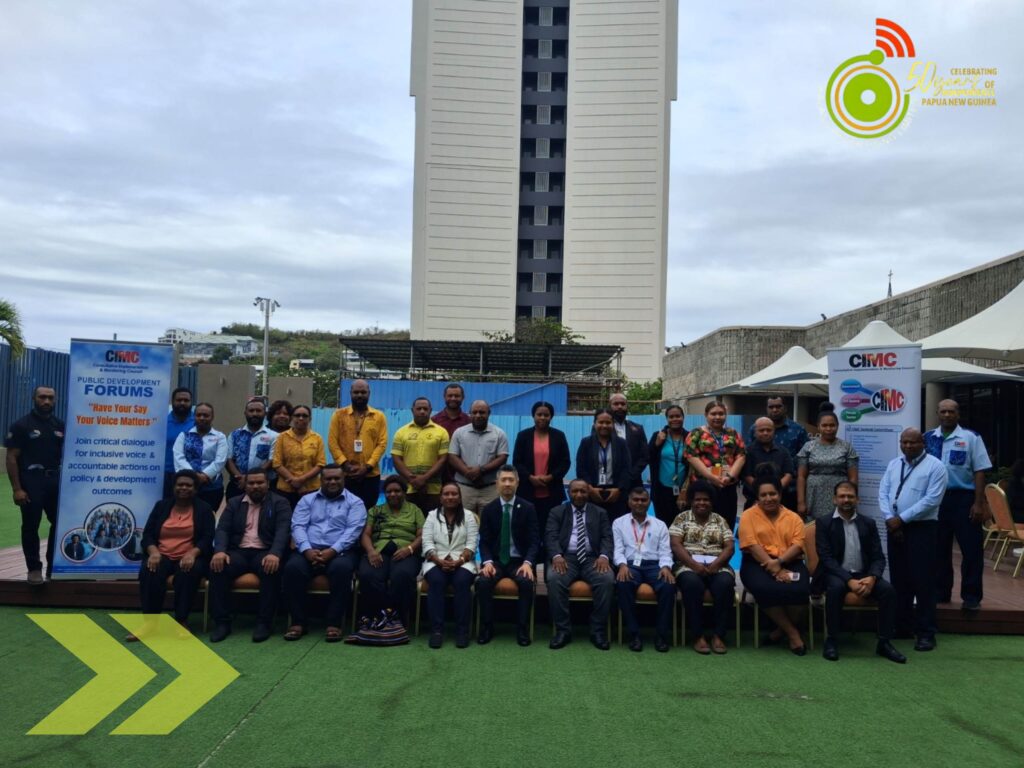
The Informal Economy Sectoral Committee held its first stakeholder meeting today at the Crowne Hotel in Port Moresby, driven by its mission to address unemployment and poverty in Papua New Guinea.
Established in 1999 under Dame Carol Kidu, then Minister for Community Development, the committee helps the informal sector and the government come up with ways to promote the informal sector.
Today’s meeting was chaired by George Daniel Kulisi, Director for Program Development at the Department of Community Development and Religion.
Director Kulisi defined the informal economy as economic activities operating outside state regulation, meaning these businesses are not registered for taxation and excluded from Gross Domestic Product (GDP) calculations.
Given that a large portion of Papua New Guinea’s economy operates informally, the meeting provided critical updates on the Revised Informal Economy Bill, the National Informal Economy Policy, and the National SME Policy.
These legislative reforms aim to integrate informal vendors and small business owners into the formal economy, allowing them to both contribute to and benefit from national resources.
Representatives from key stakeholders attended the session, including the National Research Institute, Internal Revenue Commission, Independent Consumer and Competition Commission, Constitutional and Law Reform Commission, financial institutions, and the private sector.
While discussions were highly collaborative, participants identified a critical gap: a widespread lack of public awareness, reliable data, and capacity-building opportunities, particularly financial literacy.
In closing, Director Kulisi announced that a finalized draft of the revised policy will be distributed to all stakeholders in the third week of next month.