MANDA COMMUNITY RAISES CONCERNS OVER DEAD FISH IN KAI LAGOON
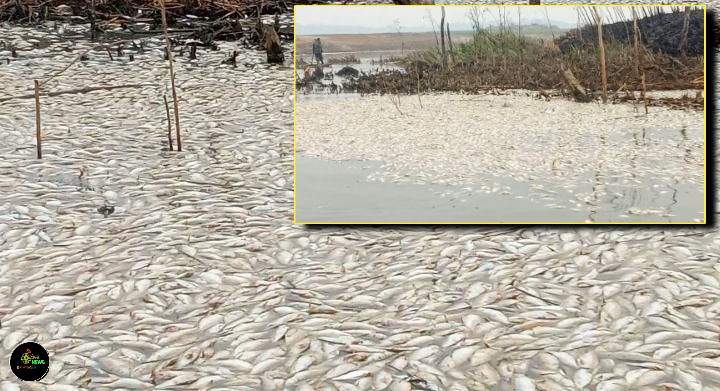
CAPTION: Dead Fish at Kai Lagoon in Manda Village, Middle Fly District of Western Province
BY KENNY ROMANUS, Western Province
A community leader from Manda Village in the Middle Fly District of Western Province has raised concerns over the possible factors behind widespread fish deaths reported in Kai Lagoon and nearby river systems.
Manda community leader Mr Raynard Loka said three major factors could be contributing to the current situation, the effects of El Niño, possible pollution from a palm oil project across the Indonesian border, and environmental impacts associated with the Ok Tedi Mining operation.
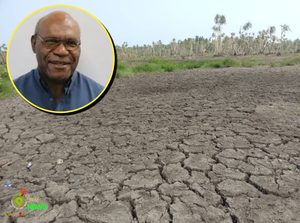
Mr Loka said prolonged dry conditions had caused water levels in the river systems to drop significantly, leaving waterways narrower and shallower than normal.
He said the reduced flow had also resulted in noticeable changes to the water, including a greenish colour and an apparent build-up of thick sediment.
Mr Loka also raised concerns about alleged waste, mud and chemical discharges from a palm oil project in Indonesia, located close to the PNG-Indonesian international border.
He claimed waterways connected to the project area eventually flow into river systems in PNG, including areas of customary land and traditional fishing grounds used by the Manda community.
According to Mr Loka, the accumulation of sediment and other materials may have contributed to changes in water quality.
He also pointed to the longstanding environmental impacts associated with the Ok Tedi Mining operation, saying waterways in the Middle Fly had previously been affected by mining-related activities.
However, Mr Loka said the current scale of fish deaths in Kai Lagoon was significantly different from what communities had witnessed during previous periods of drought.
He believes the combination of extremely low water levels and possible contamination may have created conditions contributing to the widespread death of fish and other aquatic life.
“When El Niño occurs, the heat of the sun reaches directly into the shallow river systems and this may contribute to the deaths of fish in our lagoons and creeks,” he said.
Mr Loka also expressed concern about the long-term consequences for aquatic resources that communities traditionally depend on for food and livelihoods.
He said aquatic resources not commonly seen in previous years were now being observed during the current environmental event and questioned whether the resources lost during the incident would naturally recover once the dry conditions ease.
The claims and observations raised by Mr Loka have not been independently verified. Scientific testing and assessment of the water quality, fish deaths and potential sources of contamination would be required to determine the actual causes.