YENKENA YOUTH SHOWCASE ANCIENT AWIN CUSTOM AT SEL KAMBANG FESTIVAL
BY KENNY ROMANUS, in Western Province
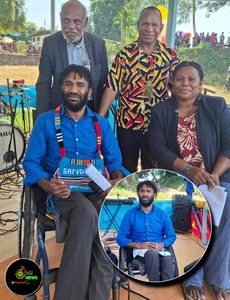
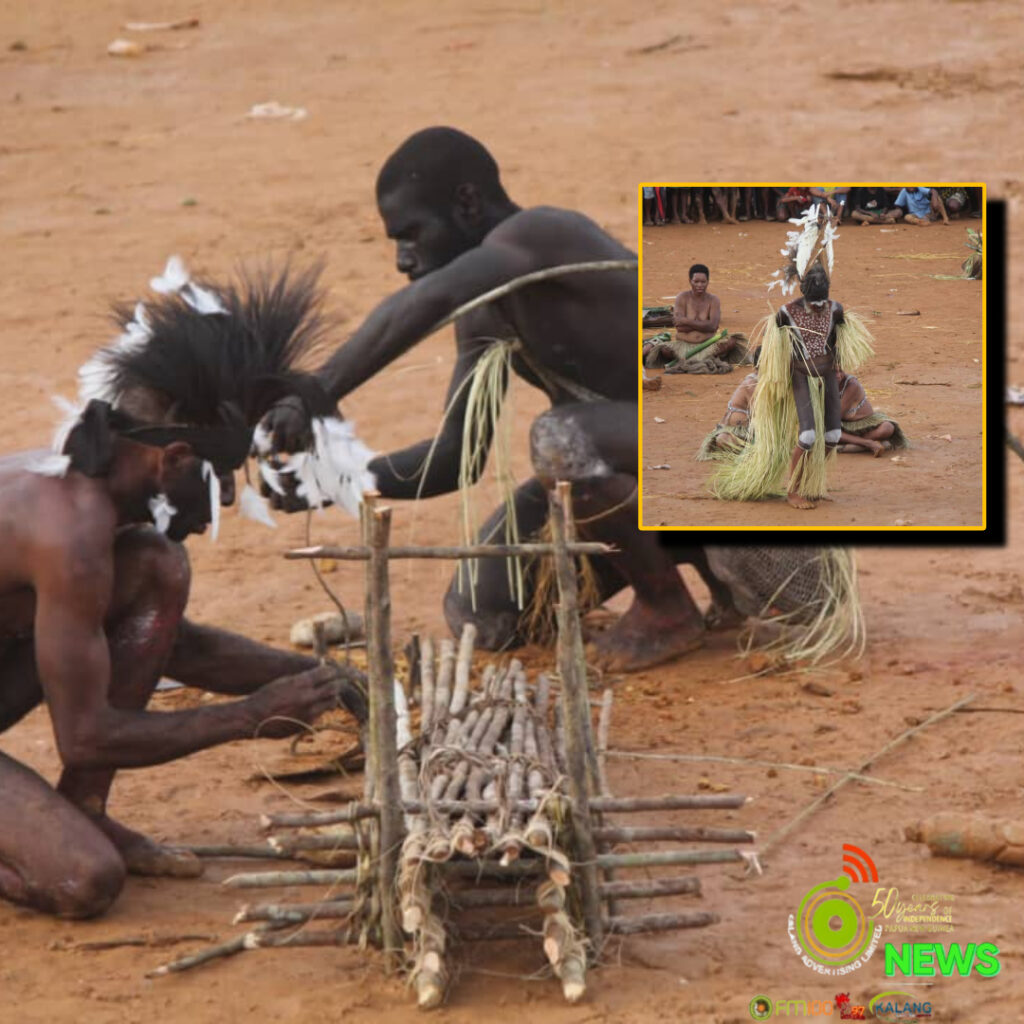
TRADITIONAL Awin (Aekyom) customs were vividly portrayed during day three of the 5th Sel Kambang Festival as the Yenkenai Youth Cultural Group presented a series of performances depicting ancestral practices relating to marriage, mourning, burial, gardening and hunting.
The group, representing Yenkenai Village along the Kiunga–Tabubil Highway, drew strong interest from spectators on Wednesday, June 24, through dramatic re-enactments of cultural traditions that were once central to Awin society.
Among the highlights was a presentation on the traditional exchange marriage system, where a man would marry a woman while his sister would be given in marriage to the bride’s brother.
According to the group’s narrator, these arrangements were negotiated between families and were considered important in maintaining relationships and unity among clans.
The narrator explained that some women were reluctant to accept the arrangements and would sometimes resist or flee.
However, family members traditionally intervened to ensure the agreements were honoured. Failure to fulfil such arrangements was once believed to result in misfortune through sorcery-related practices.
Although the custom has largely disappeared, the narrator noted that traces of the practice still exist within a small number of communities.
Addressing younger generations, he encouraged young men and women to seek parental guidance when making decisions about marriage, noting concerns over the increasing number of broken relationships and short-lived marriages in modern society.
The cultural group also demonstrated traditional mourning and burial customs practiced by their ancestors. In the past, the dead were not buried immediately. Instead, the body was left to decompose naturally under the supervision of relatives before the remaining bones were collected and buried in the bush.
These burial locations often became significant family sites where gardens were established and hunting activities were conducted, reflecting the close relationship between ancestry, land ownership and traditional livelihoods.
The performances offered festival-goers valuable insight into customs that are gradually disappearing, reinforcing the festival’s role in preserving and promoting the cultural heritage of the North Fly District.
The day’s activities concluded with a colourful parade of traditional attire from various cultural groups, further highlighting the diversity and cultural pride on display throughout the festival.