
LOW FLY RIVER DISTRUPTS KIUNGA CARGO DELIVERIES

BY KENNY ROMANUS
THE continued drop in the Fly River’s water level has severely disrupted cargo shipping into Kiunga River Port, raising concerns over the availability of food, fuel and other essential supplies throughout North Fly District.
Persistently dry conditions have left parts of the river too shallow for heavily loaded cargo vessels to operate safely, forcing shipping companies to postpone or cancel scheduled deliveries.
Businesses in Kiunga are already experiencing delays in restocking essential goods, while residents fear prolonged disruptions could lead to shortages of rice, cooking oil, tinned food, fuel and other everyday necessities.
The transport difficulties have also slowed the delivery of fuel and construction materials, affecting business operations and essential government services that depend on regular cargo shipments.
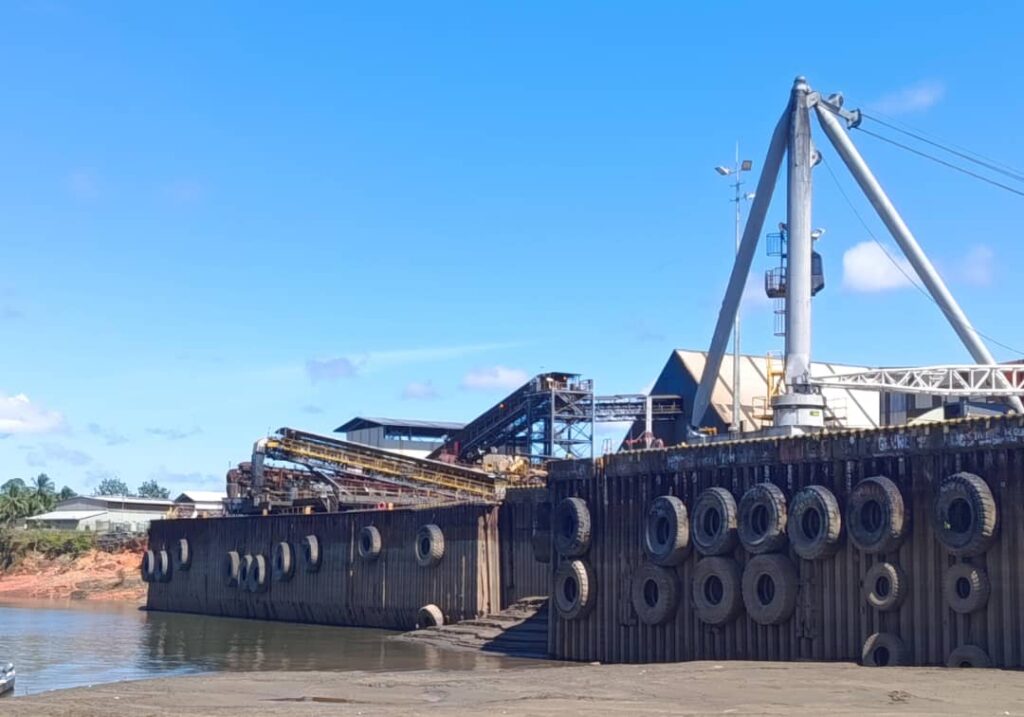
Kiunga Wharf at the moment cannot allow vessels to berth and unload cargo
Community leaders are urging the National Government to respond urgently by introducing contingency measures to maintain the flow of essential supplies into Western Province.
There are also increasing calls to utilise alternative transport routes, including the proposed road connection through the Papua New Guinea–Indonesia border, to reduce reliance on river transport during extended dry seasons.
With forecasts indicating that dry conditions are likely to continue, many residents remain concerned that supply shortages and rising prices will place additional pressure on households already affected by the drought.
Authorities are being encouraged to work closely with shipping operators, the Western Provincial Administration and development partners to minimise disruptions while pursuing long-term solutions to strengthen supply access to the province.
Meanwhile, Public Motor Vehicle (PMV) operators in Kiunga say they may be forced to increase passenger fares as fuel prices continue to climb amid the prolonged dry spell affecting Western Province.
A PMV bus crew member told this newsroom that the rising cost of fuel has significantly increased operating expenses for transport providers using the Kiunga-Tabubil Highway.
“We are now purchasing fuel at K8 per litre. If prices continue to rise, operators will have little choice but to increase PMV fares to cover operating costs,” the crew member said.
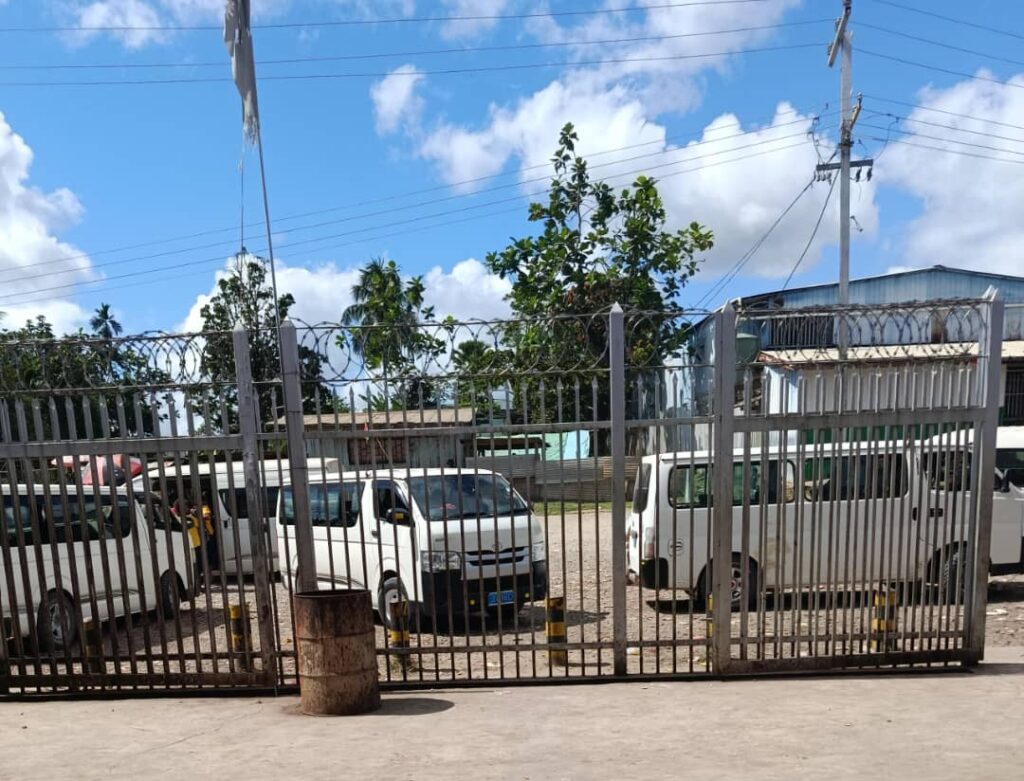
The increase in fuel prices comes as the ongoing dry conditions continue to disrupt cargo shipping along the Fly River. Low water levels have slowed the delivery of essential supplies, including fuel, contributing to supply shortages and higher transportation costs.
Residents fear that any increase in PMV fares will place an even greater financial burden on families already struggling with the rising cost of food and other basic necessities.
PMV services remain the main form of public transport for people travelling between Kiunga, Tabubil, Ningerum and nearby communities. A fare increase would affect thousands of commuters, including workers, students and small business operators who rely on daily transport services.
Members of the public are urging the relevant authorities to monitor the situation closely and consider measures to support transport operators while keeping fares affordable for commuters.
As the dry spell persists, concerns continue to grow that further disruptions to fuel supplies could drive up the cost of transport and other essential goods across Western Province.