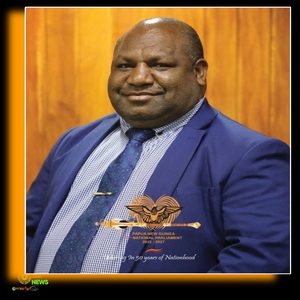
PNG STRENGTHENS CLIMATE GOVERNANCE WITH SIMBU REDD+ WORKSHOP
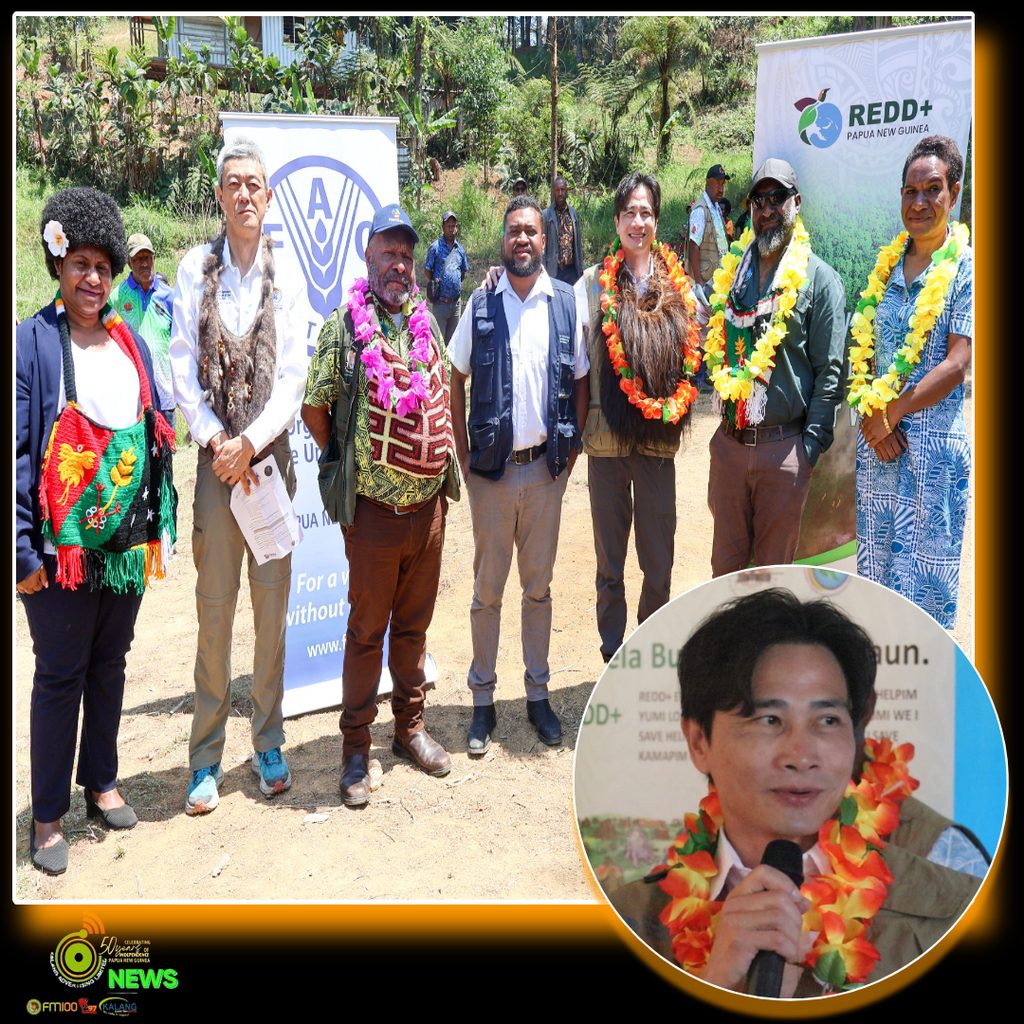
PAPUA New Guinea has reinforced its climate governance with the launch of the first Green Climate Fund REDD+ Results‑Based Payments inception workshop in Simbu Province.
The Climate Change and Development Authority or CCDA says the initiative is about translating national climate strategies into effective local action under the Climate Change (Management) Act 2015.
By establishing the Simbu Provincial Climate Change Committee, the workshop sets up a governance framework to coordinate stakeholders across districts, local level governments, and communities.
CCDA Acting General Manager Terence Barambi emphasized that this structure is vital for long‑term forest conservation, improved land‑use planning, and stronger law enforcement against deforestation.
Hosting the first inception workshop in Kundiawa marks a critical step forward for Simbu Province.
The one‑day workshop, led by the Climate Change and Development Authority with technical support from the Food and Agriculture Organization, is part of a 12‑day mission across six districts aiming to establish the Simbu Provincial Climate Change Committee and strengthen local forest governance.
The establishment of the Provincial Climate Change Committee will strengthen local forest governance, improve environmental law enforcement, and create sustainable economic opportunities for forest‑dependent communities.
Natural Resource Officer Willie Kume will serve as the focal point for REDD+ implementation, coordinating with CCDA to ensure programs are effectively delivered on the ground.
Community‑based organizations in Simbu, many of which already work voluntarily to protect forests, will now have formal recognition and support under the REDD+ framework, turning grassroots passion into structured development outcomes.
Simbu Province is among six provinces selected to benefit from USD 63.4 million in landmark Green Climate Fund financing approved in 2025.
The funding supports forest protection, sustainable land‑use, and community‑led climate programs, marking a major milestone in PNG’s efforts to reduce greenhouse gas emissions while pursuing sustainable development.
The program also includes technical support from the Food and Agriculture Organization or FAO of the United Nations, ensuring international expertise is embedded in provincial implementation.
This investment is part of PNG’s broader commitment under the Paris Agreement, positioning the country as a regional leader in climate finance and resilience.
Local communities in Simbu Province are at the centre of PNG’s REDD+ program.
The recent inception workshop included stakeholder mapping across six districts, ensuring churches, NGOs, youth, women’s groups, and persons with disabilities are engaged in shaping climate action.
FAO Head of Office Dr. Kachen Wongsathapornchai stressed that conservation must connect directly to people’s wellbeing and aspirations, noting that PNG’s forests have long been protected through traditional knowledge and customary stewardship.
Deputy Provincial Administrator Chris Mondo said the workshop provides a clear path for communities to actively lead and benefit from sustainable climate action, with opportunities for improved livelihoods and resilience.
The Simbu workshop reflects Papua New Guinea’s leadership in global climate commitments under the Paris Agreement.
By operationalizing REDD+ at the provincial level, PNG is aligning with its National REDD+ Strategy 2017–2027 and Vision 2050 goals for environmental sustainability.
The program is expected to deliver measurable emissions reductions—17 million tonnes of carbon dioxide equivalent for the 2014–2016 period—while conserving biodiversity and ecosystem services.
This positions PNG as a model for other developing countries seeking to balance climate action with economic growth, showing how results‑based finance can catalyze transformational change in the forest and land‑use sector.